
August 2026
Heads Down
There hasn’t been much time for thinking or reflecting over the past couple of weeks. With only four weeks remaining until our final firing deadline, it really is a case of heads down and getting the work made — or at least as much of it as is realistically possible within the time we have left.
My list of pieces for the final degree show continues to evolve. Every time I think I have settled on the work I want to make, another idea quietly appears in my sketchbook, tempting me to squeeze in just one more vessel before the end of the course. It is a constant balancing act between ambition and reality.
Progress through the firing process has felt frustratingly slow, with work gradually moving from one stage to the next. I keep hoping that, at some point over the next few weeks, the pieces will begin to emerge from the kilns in quick succession and finally start to come together as the cohesive body of work I have been striving towards. At the moment, it still feels a little like a wing and a prayer. Perhaps that is simply because I am continuing to explore and push ideas for as long as time allows, rather than settling too soon.
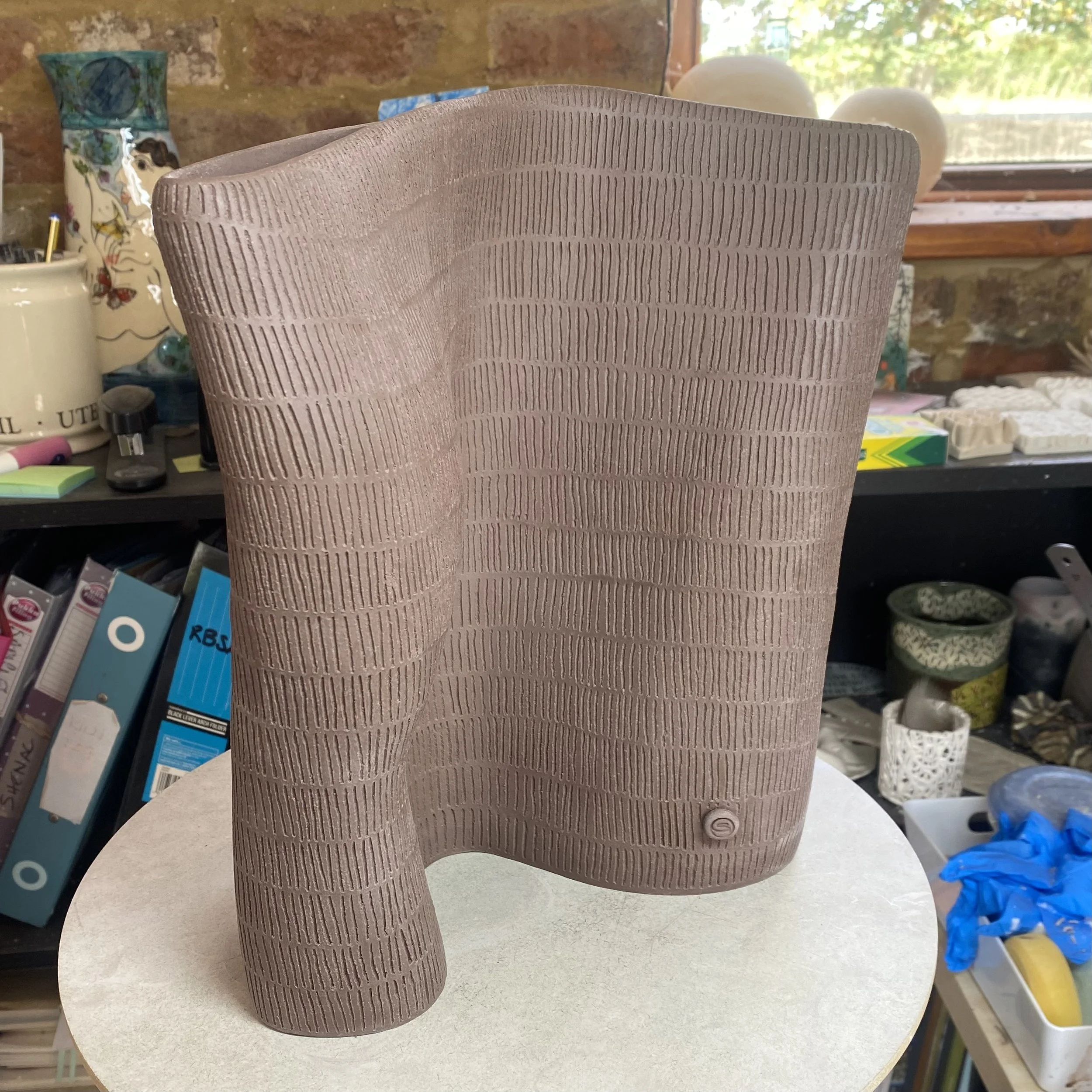
I am hoping to complete two new large contour vessels over the coming weeks to replace the one that sadly cracked. Against my better judgement, I have started building one at home in an effort to make the most of every available hour. I can only hope that, this time, I manage to transport it safely to university without adding any unnecessary drama to the process.
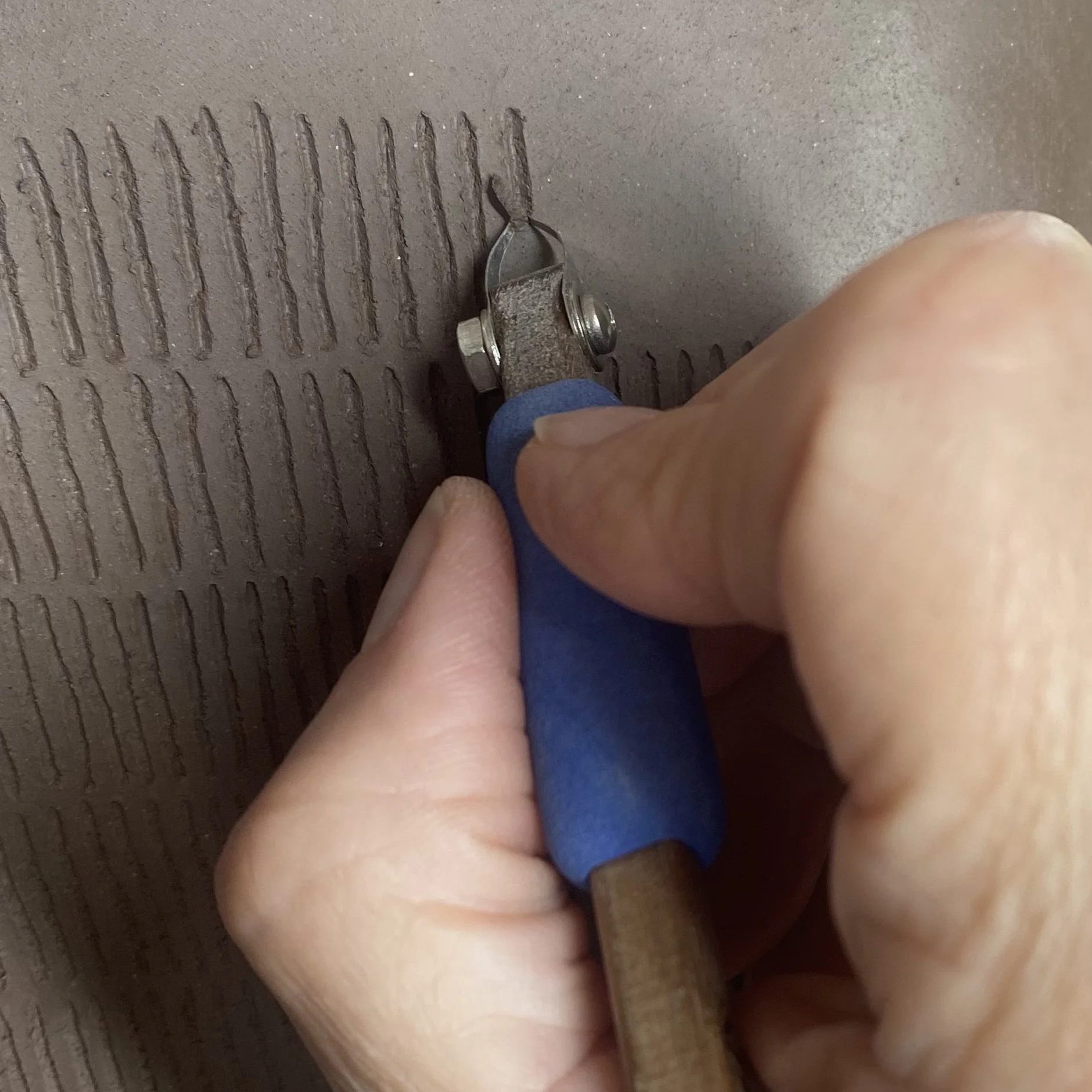
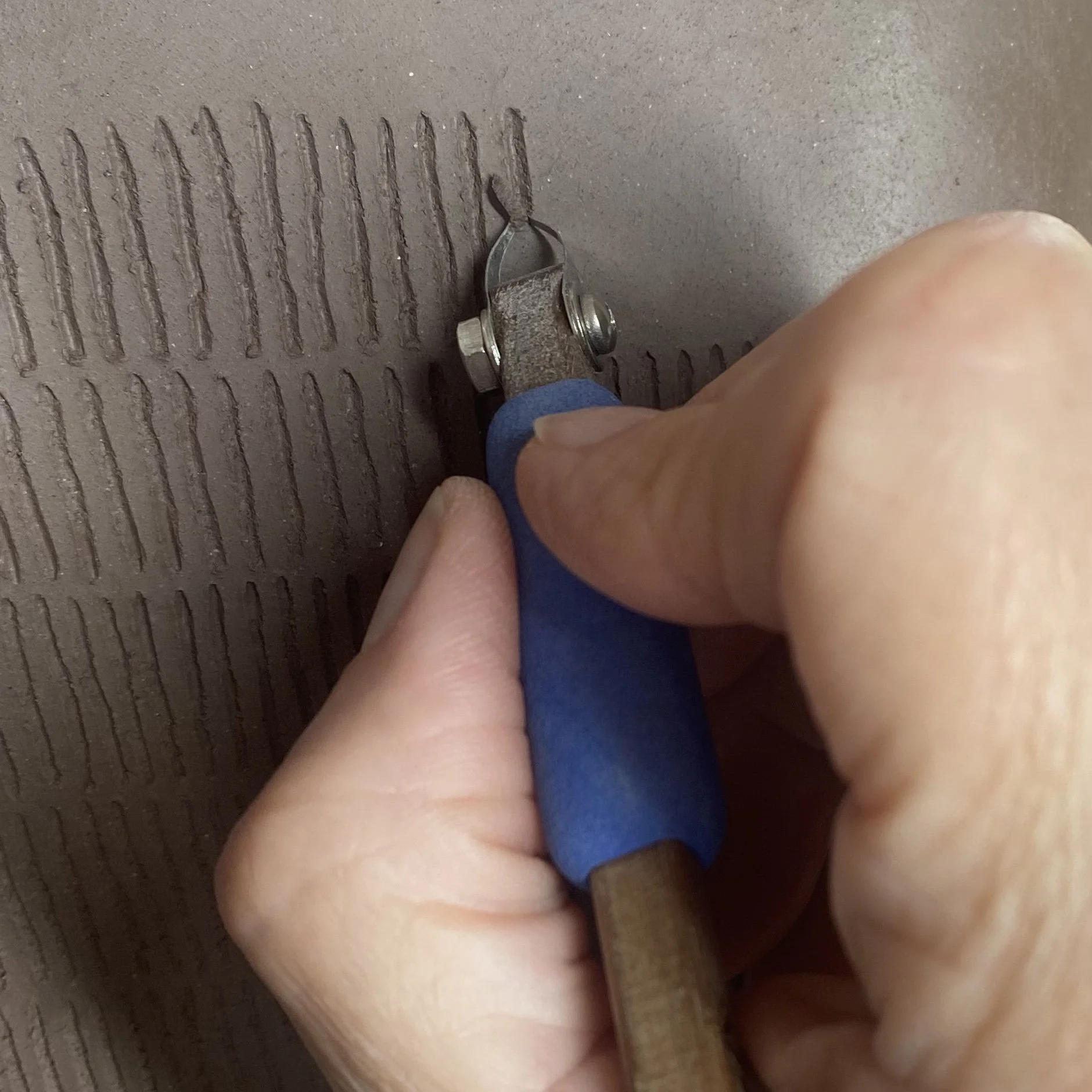
One small highlight this week has been treating myself to a new carving tool. After countless hours incising surfaces, my old tools were beginning to lose their edge, so I finally invested in a DiamondCore carving tool. Sometimes it is the smallest additions to the studio that make the biggest difference. It has already transformed the carving process, reminding me that good tools are every bit as important as good materials.
For now, there is little to do but keep making.
The thinking has been done.
The time for making is now.
From Contour to Vessel
Over the past few weeks I have been thinking about how best to explain the process behind my Contour Vessels. While the finished pieces may appear simple, each one begins long before the clay is touched.
People often ask where the forms come from. The answer is that they begin with a place.
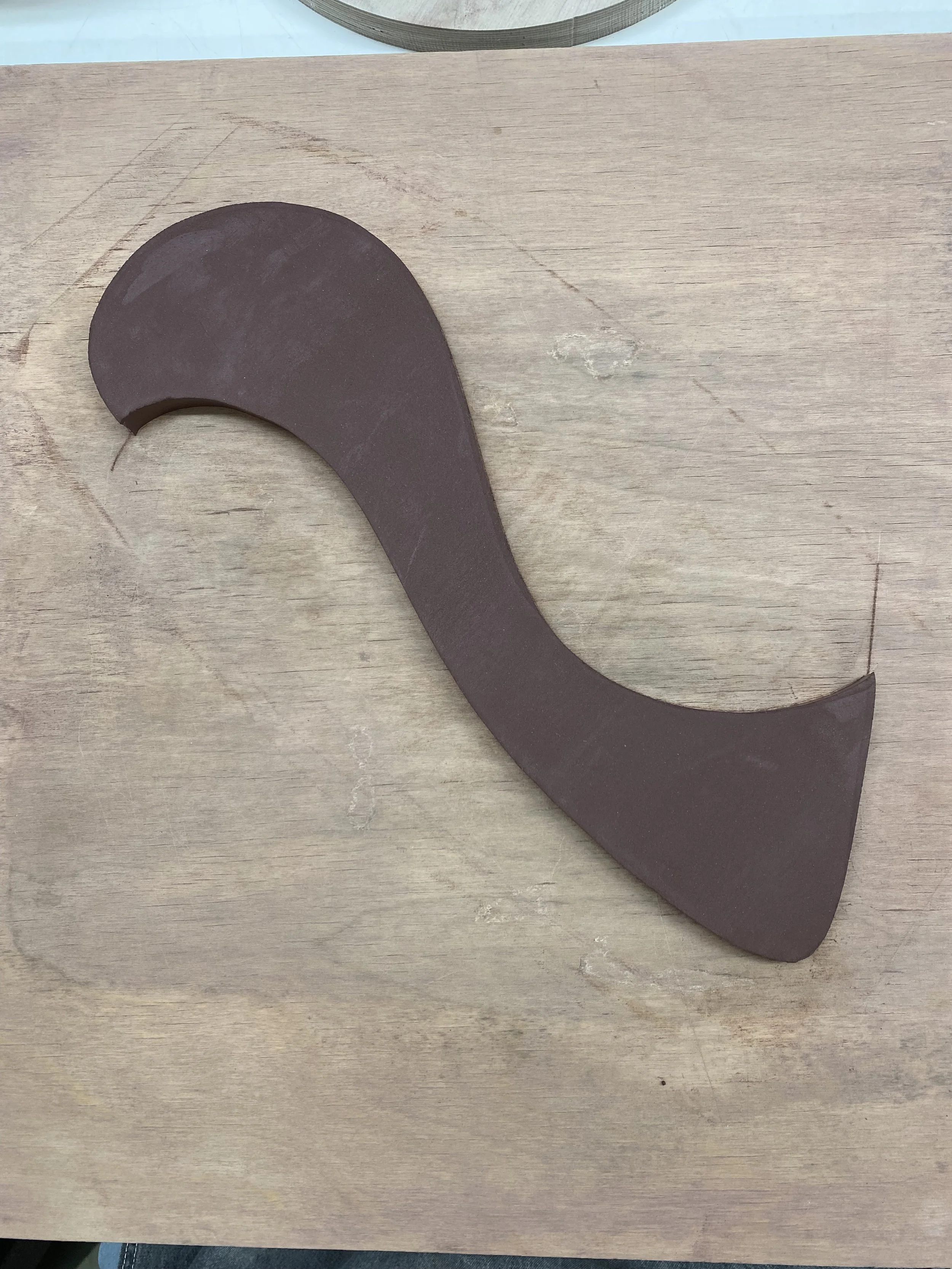
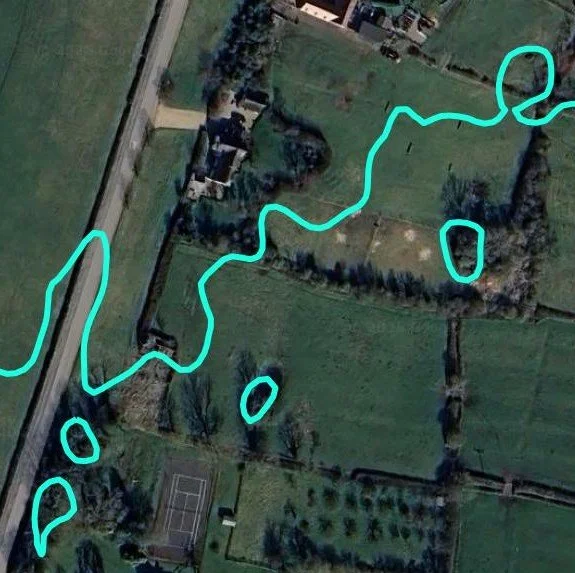
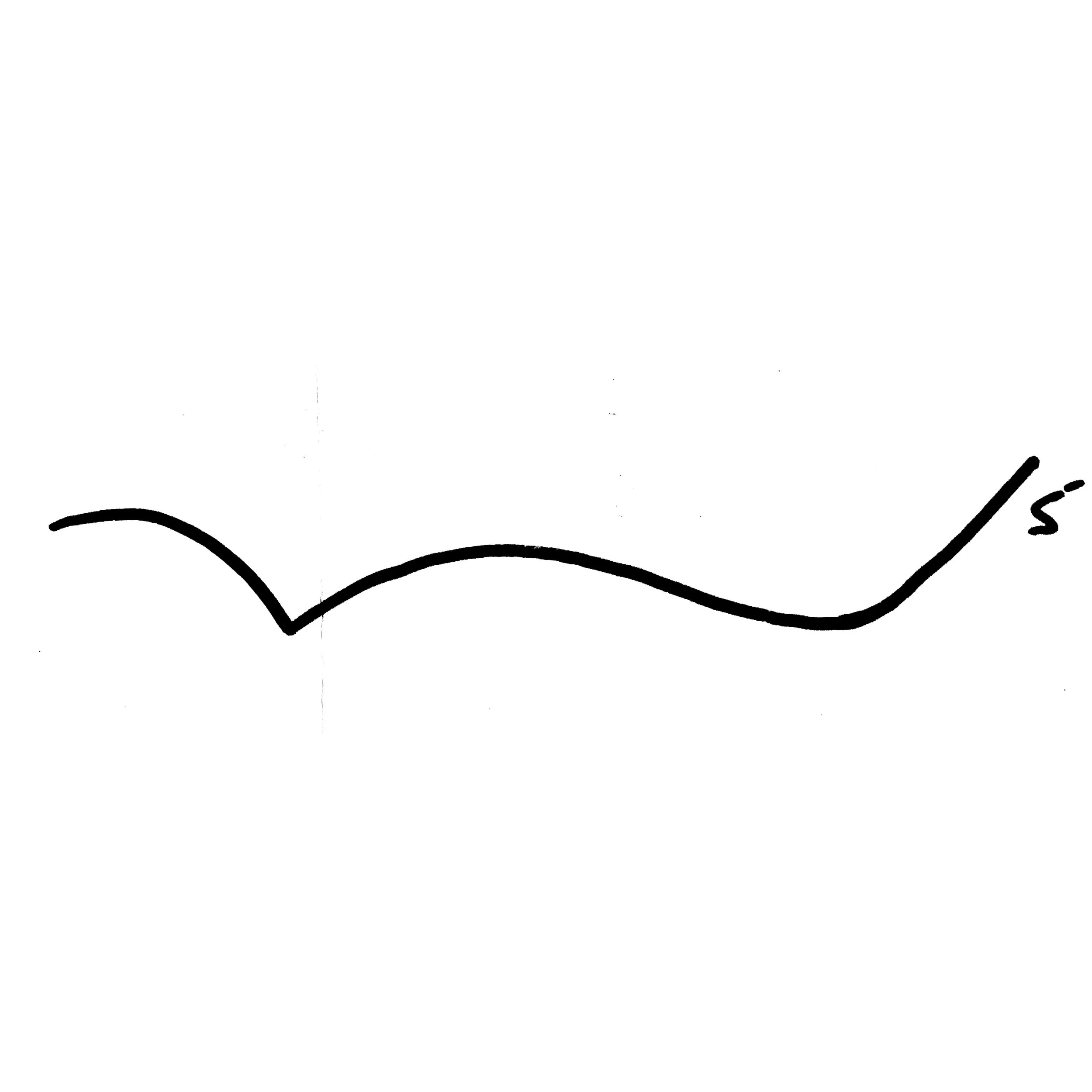
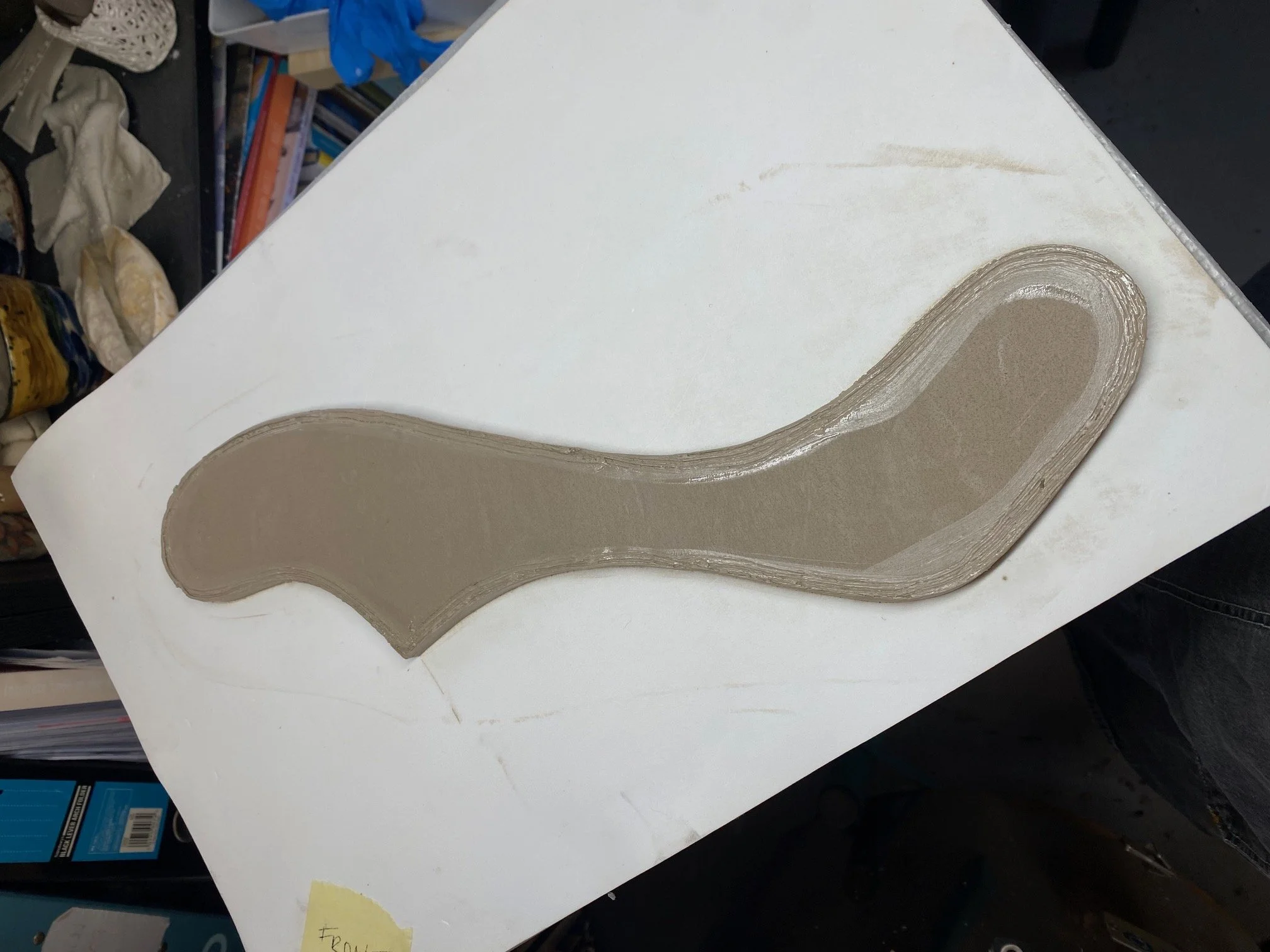
Every Contour Vessel starts with a mapped contour line taken from a landscape that holds personal significance. I don't reproduce the contour exactly. Instead, I select a small section and draw it by hand, allowing it to become familiar through observation. This drawing then informs the front edge of the vessel's base. From that single line, the entire form begins to emerge.
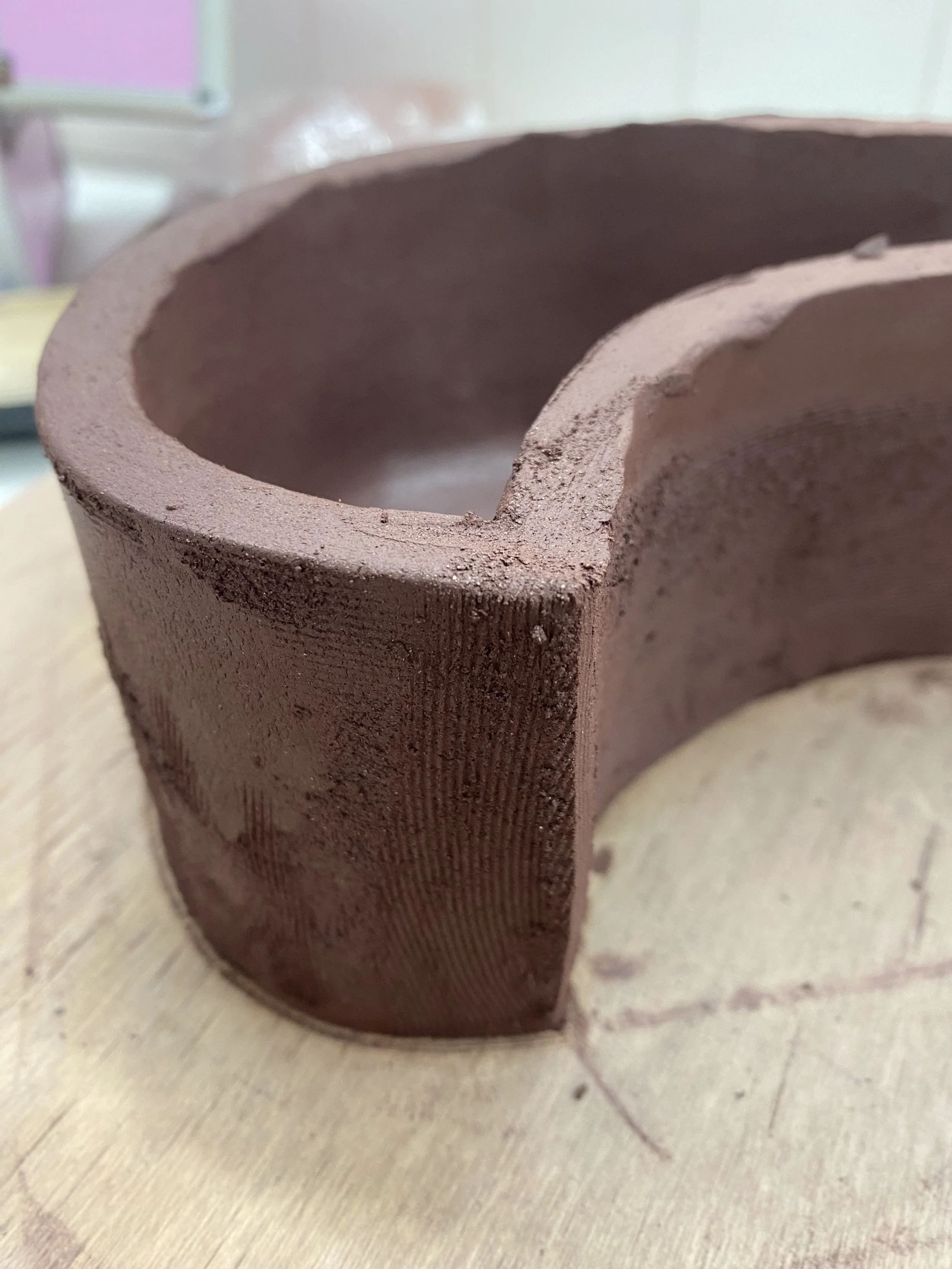
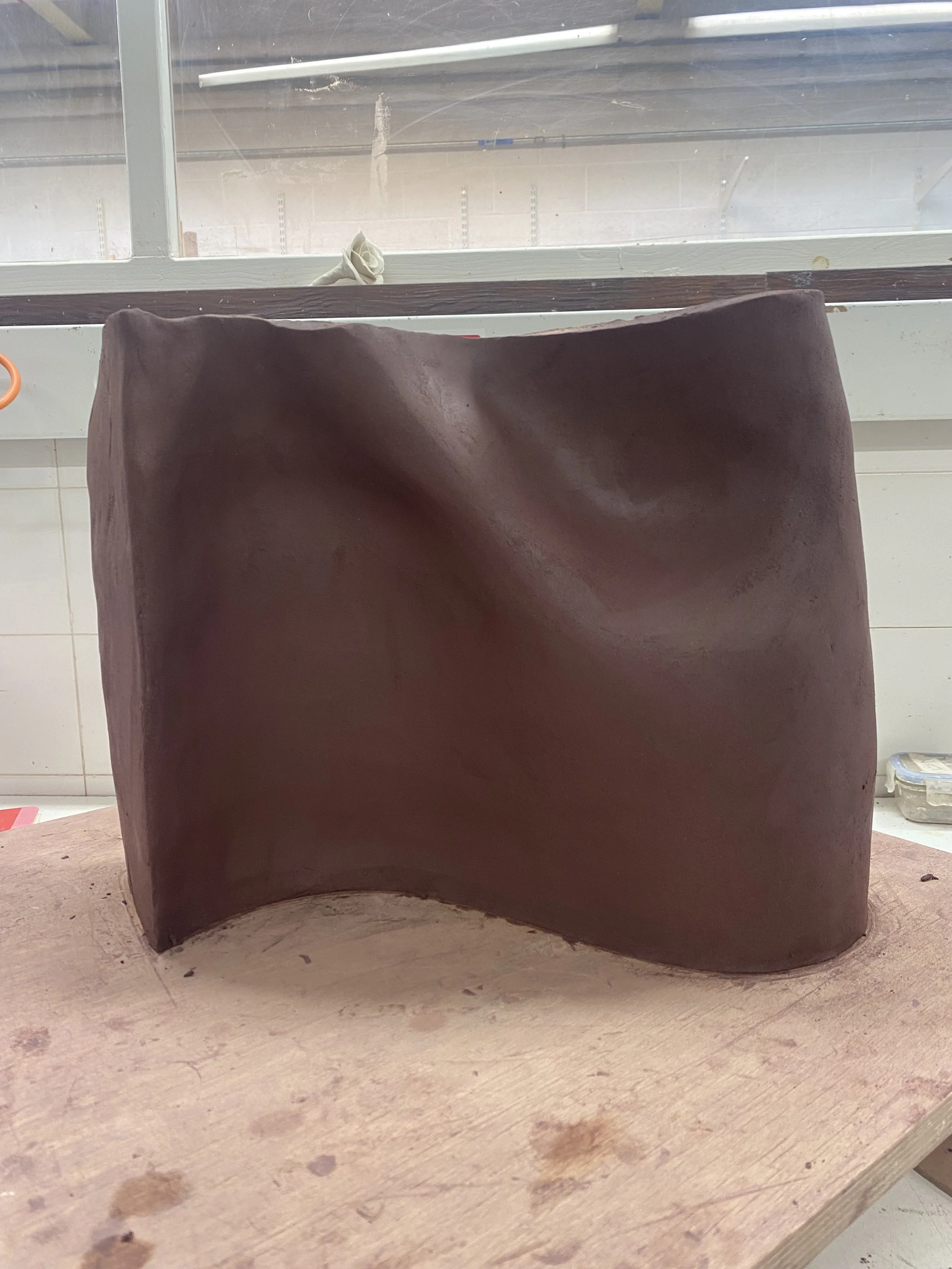
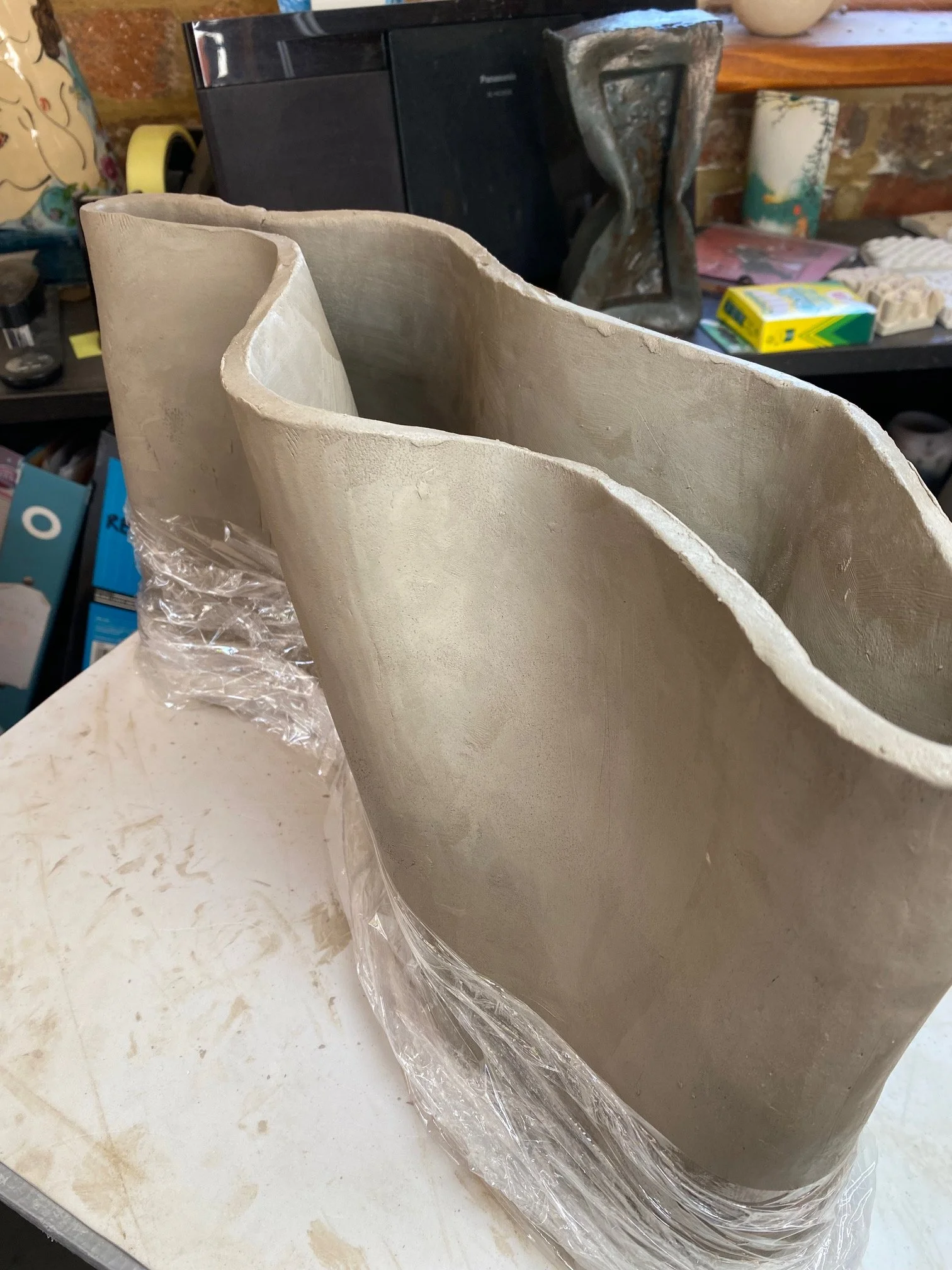
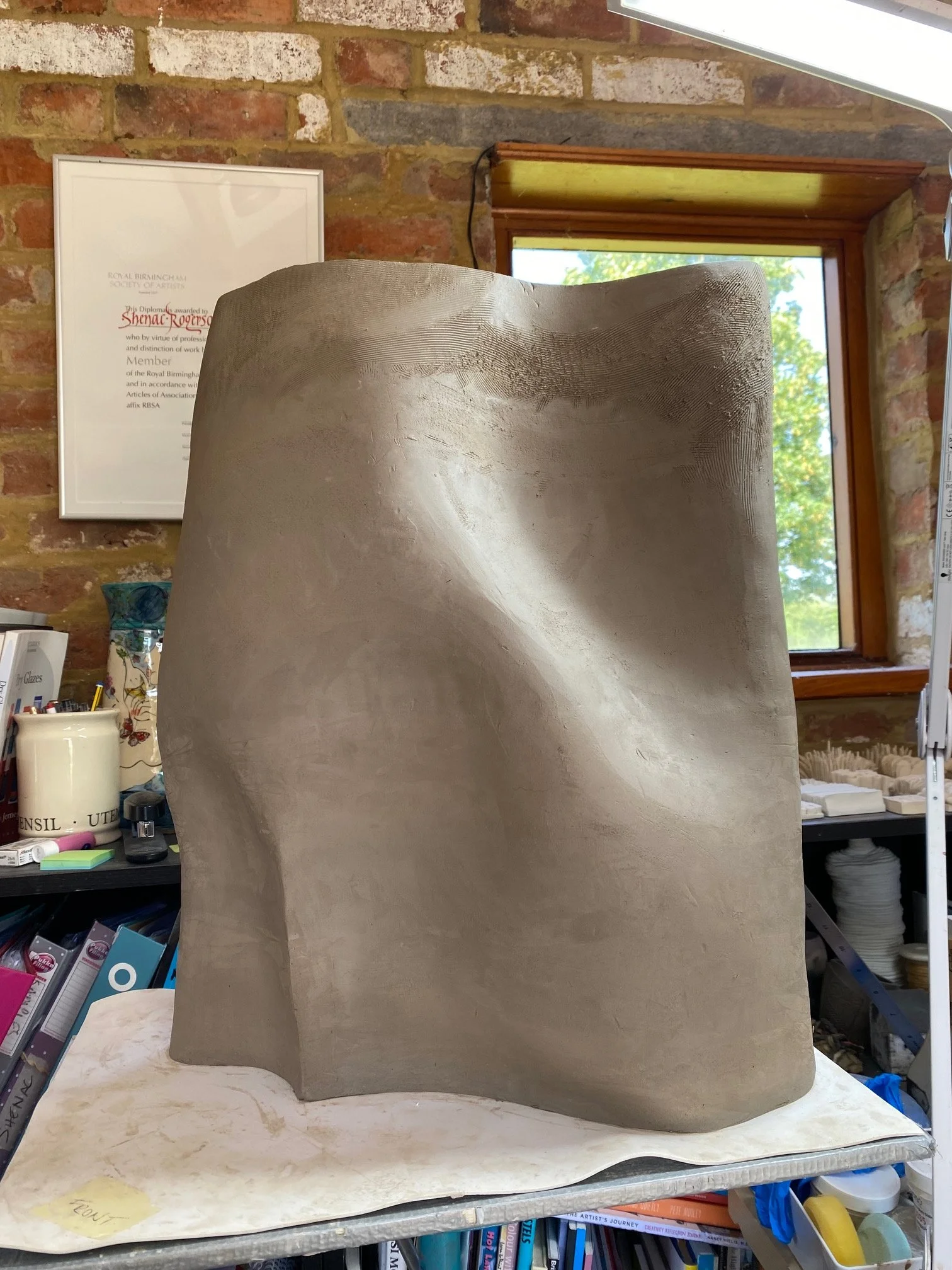
At this point the process becomes less prescriptive and much more intuitive. The contour informs the vessel, but it never dictates it. As the form is hand-built using slabs and coils, I respond to the clay itself, allowing subtle shifts in movement, balance and proportion to develop naturally. It is this dialogue between the remembered landscape, the material and the making that ultimately shapes each piece.
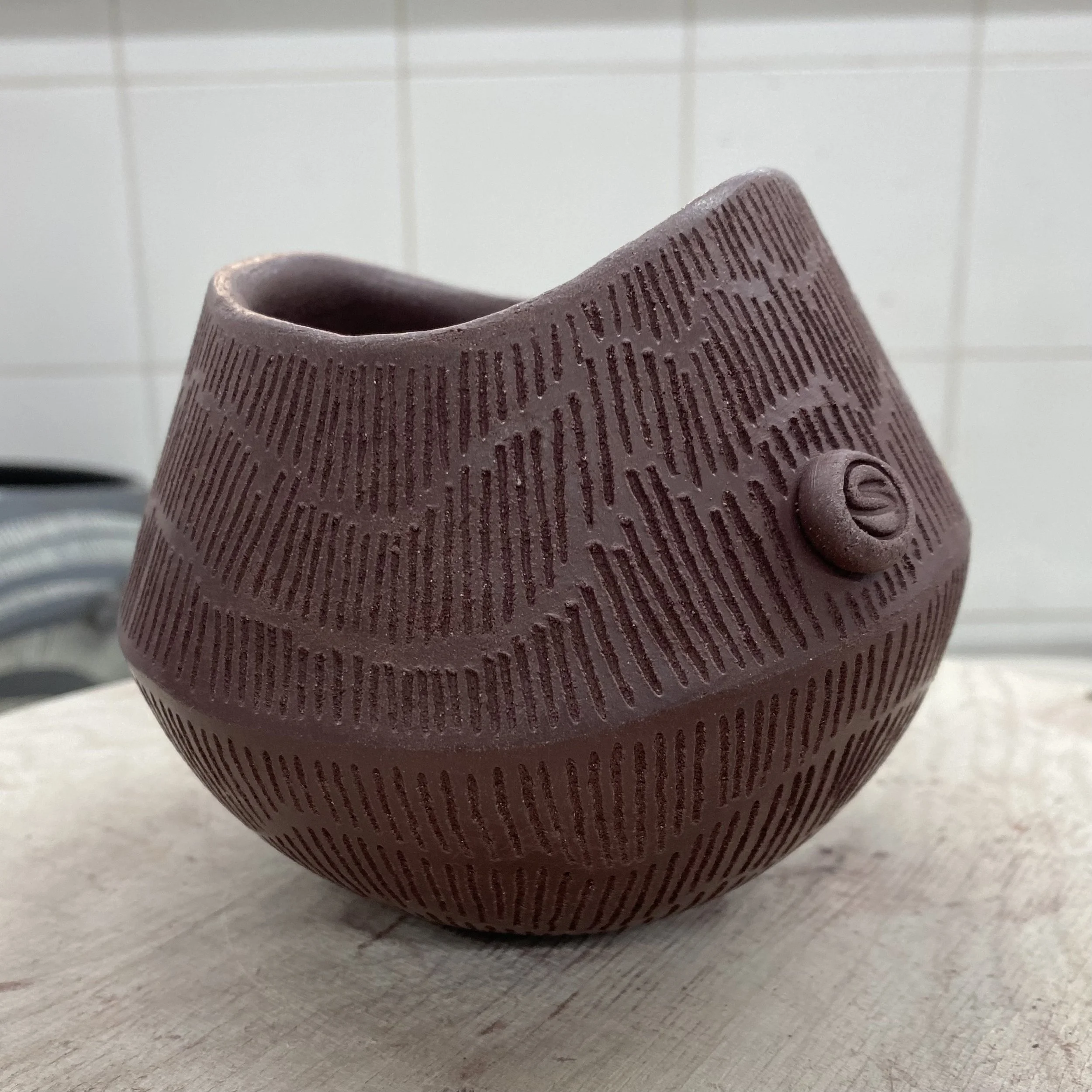
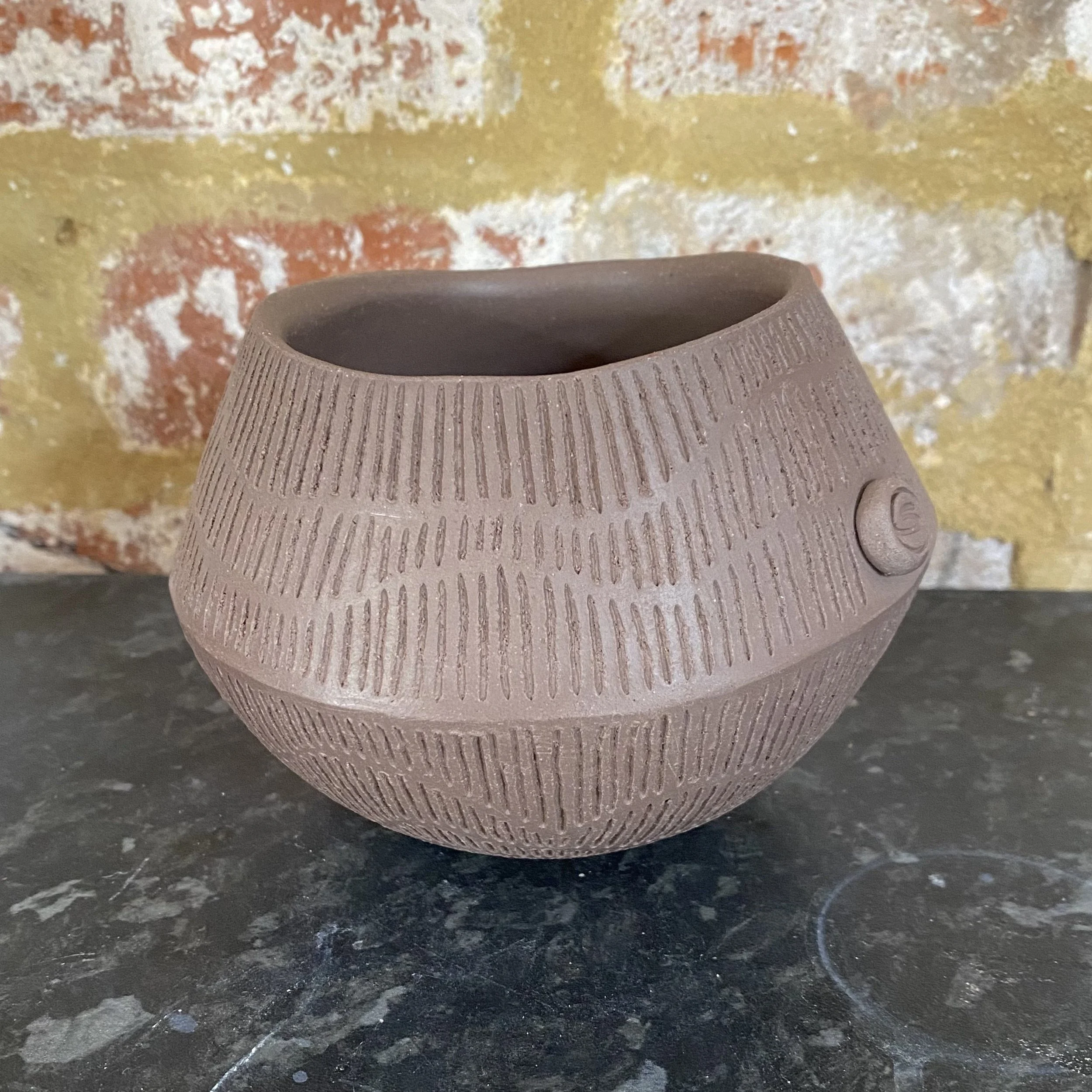
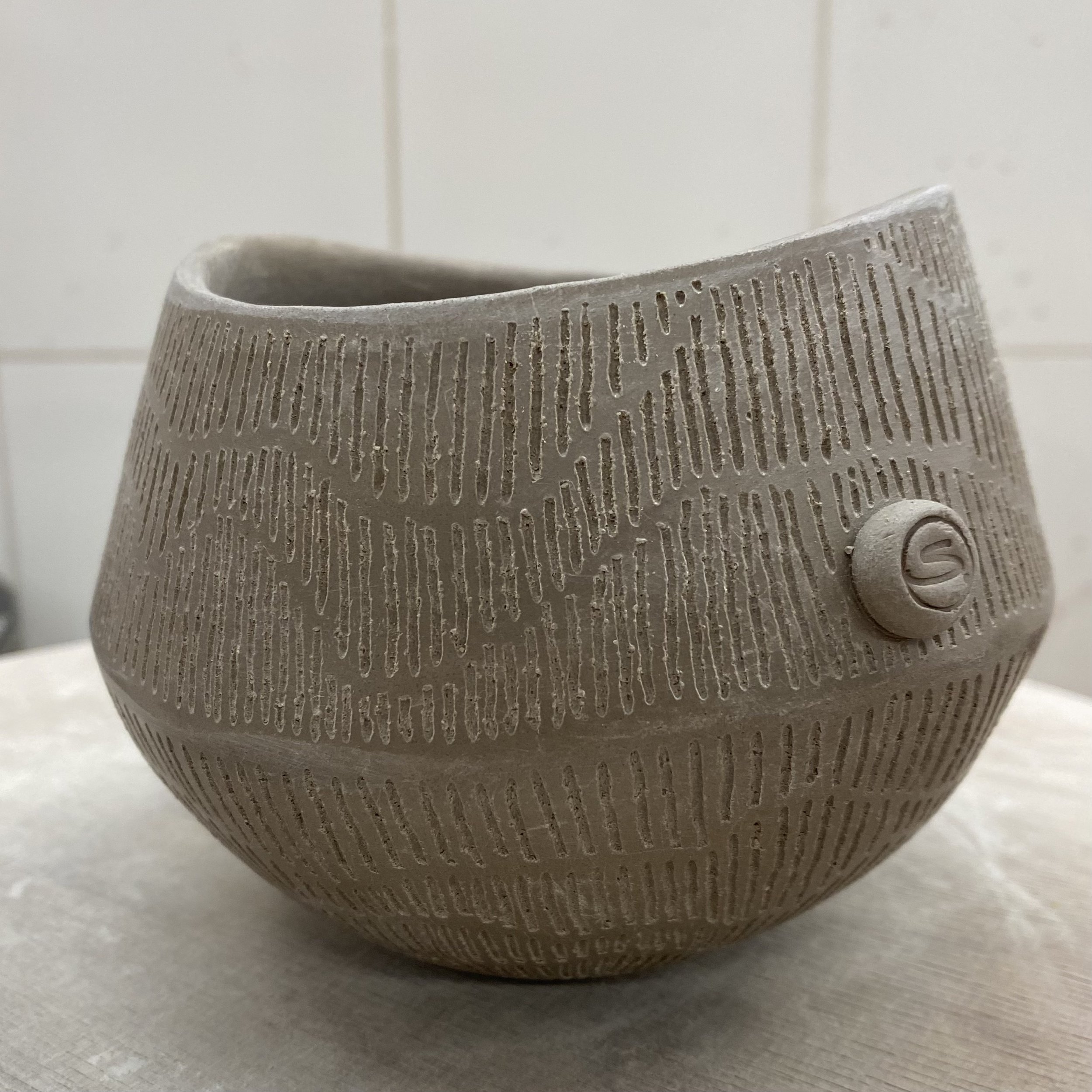
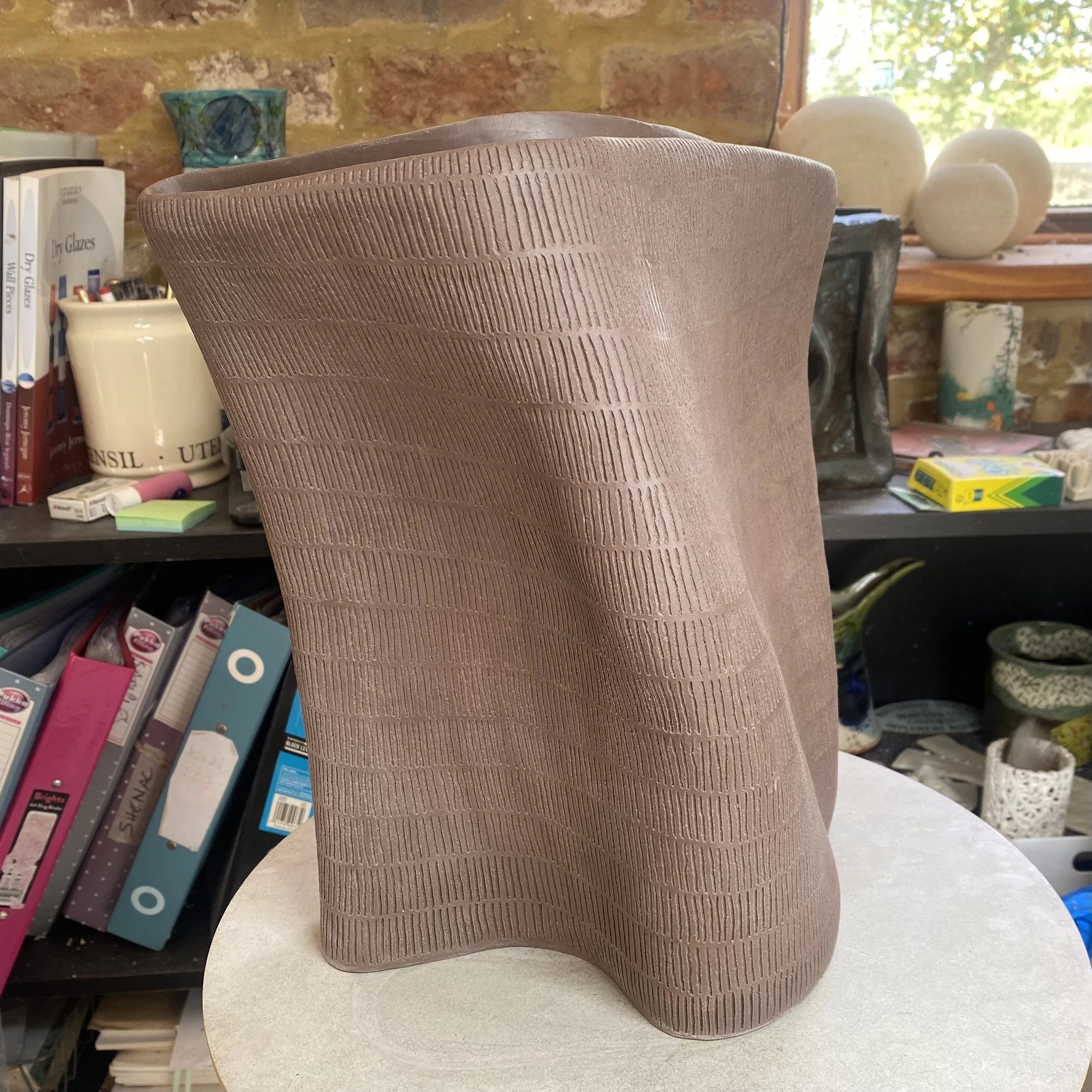
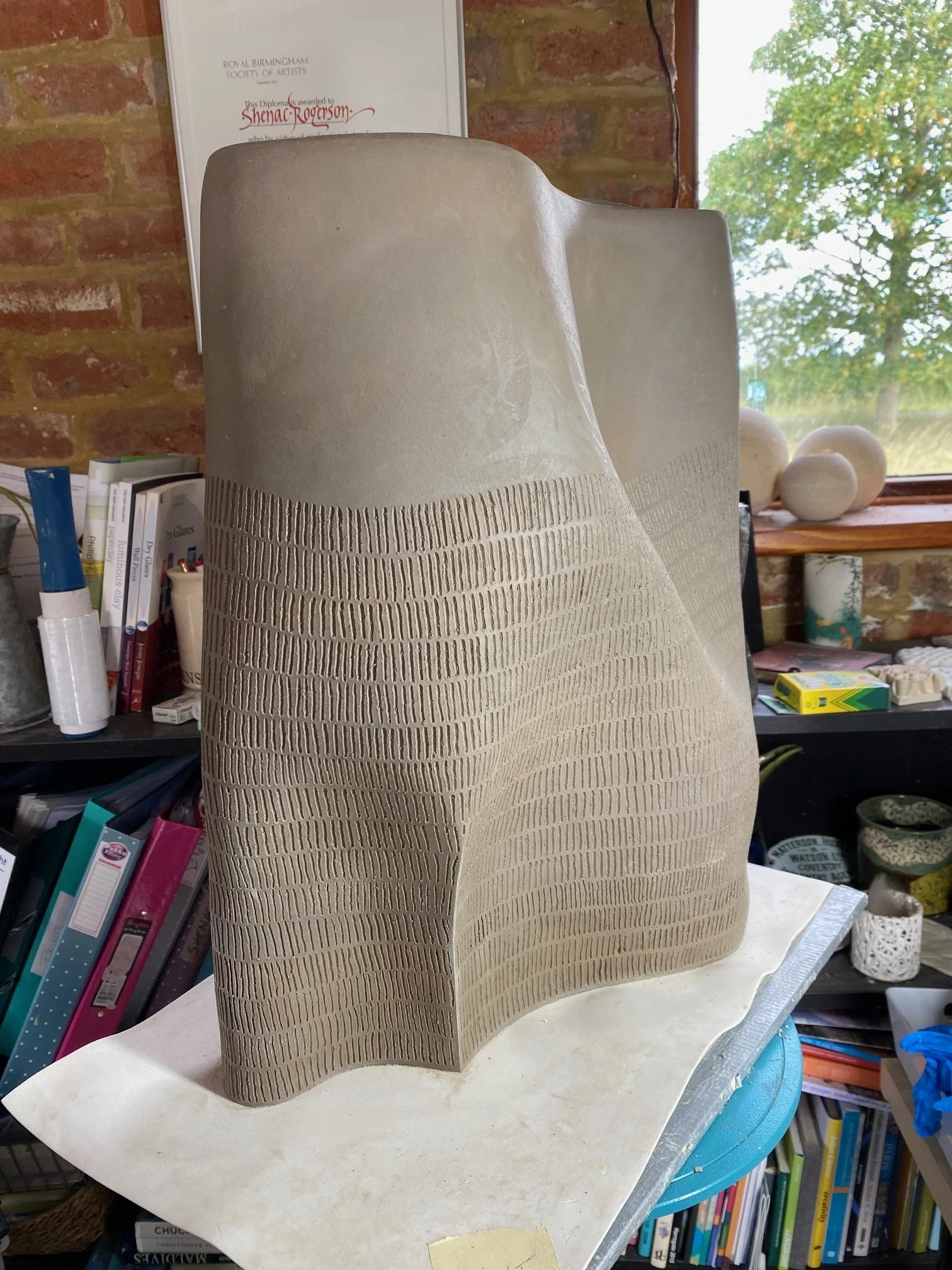
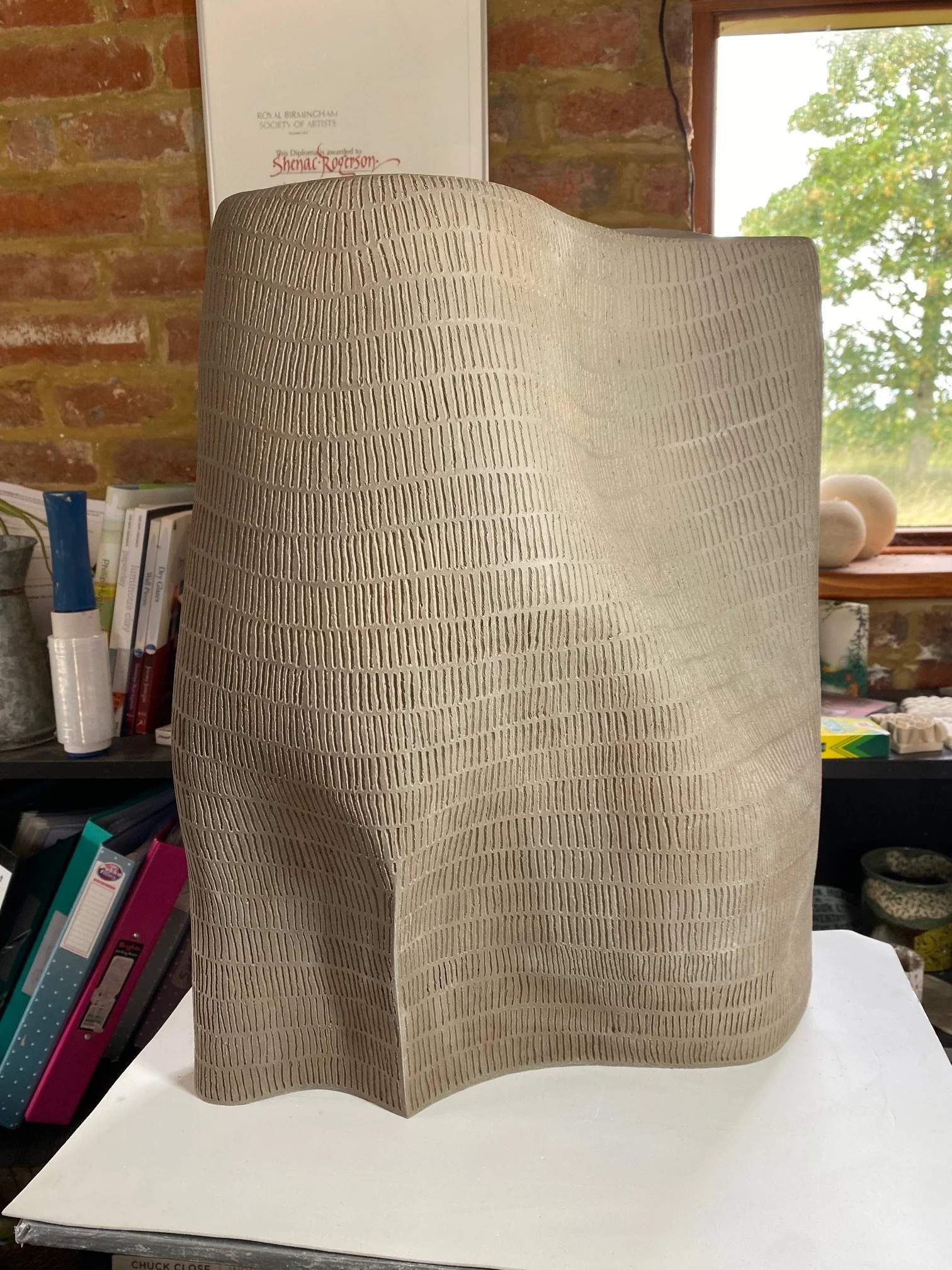
Only once the form has settled do I begin to incise the surface. These marks are not decoration. They are another language through which I explore rhythm, movement and the emotional resonance of place. Finally, layers of coloured engobe are applied, their palette informed by the colours and atmosphere of the landscape that inspired the vessel.
Looking back over these photographs, I realised they show something I hadn't fully appreciated before. My work is not simply about making ceramic vessels. It is about translating one thing into another.
A landscape becomes a contour.
A contour becomes a drawing.
A drawing becomes a form.
A form becomes a vessel.
A vessel becomes a memory made tangible.
Although my current work is rooted in the landscape around Sawbridge, this methodology is not limited to one place. Every landscape has its own contours, rhythms and colours. In time, I hope these vessels will become a way of responding to places anywhere in the world, each one carrying its own unique sense of memory and connection.
For me, that is perhaps the most exciting part of this journey. The process has become as important as the finished vessel itself.
From Contour to Vessel
1. Finding the Place - A mapped landscape.
2. Distilling the Contour - A single line is selected and drawn.
3. The First Gesture - The contour becomes the vessel's base.
4. Building the Form - Slabs and coils establish the structure.
5. Listening to the Clay - The form evolves through making.
6. Finding the Rhythm - Surface marks respond to landscape and memory.
7. The Vessel Emerges - Leather-hard and ready for firing.
8. Holding the Landscape - Engobes bring the colours of place to the surface.
9. Memories of Place - The finished Contour Vessel.